

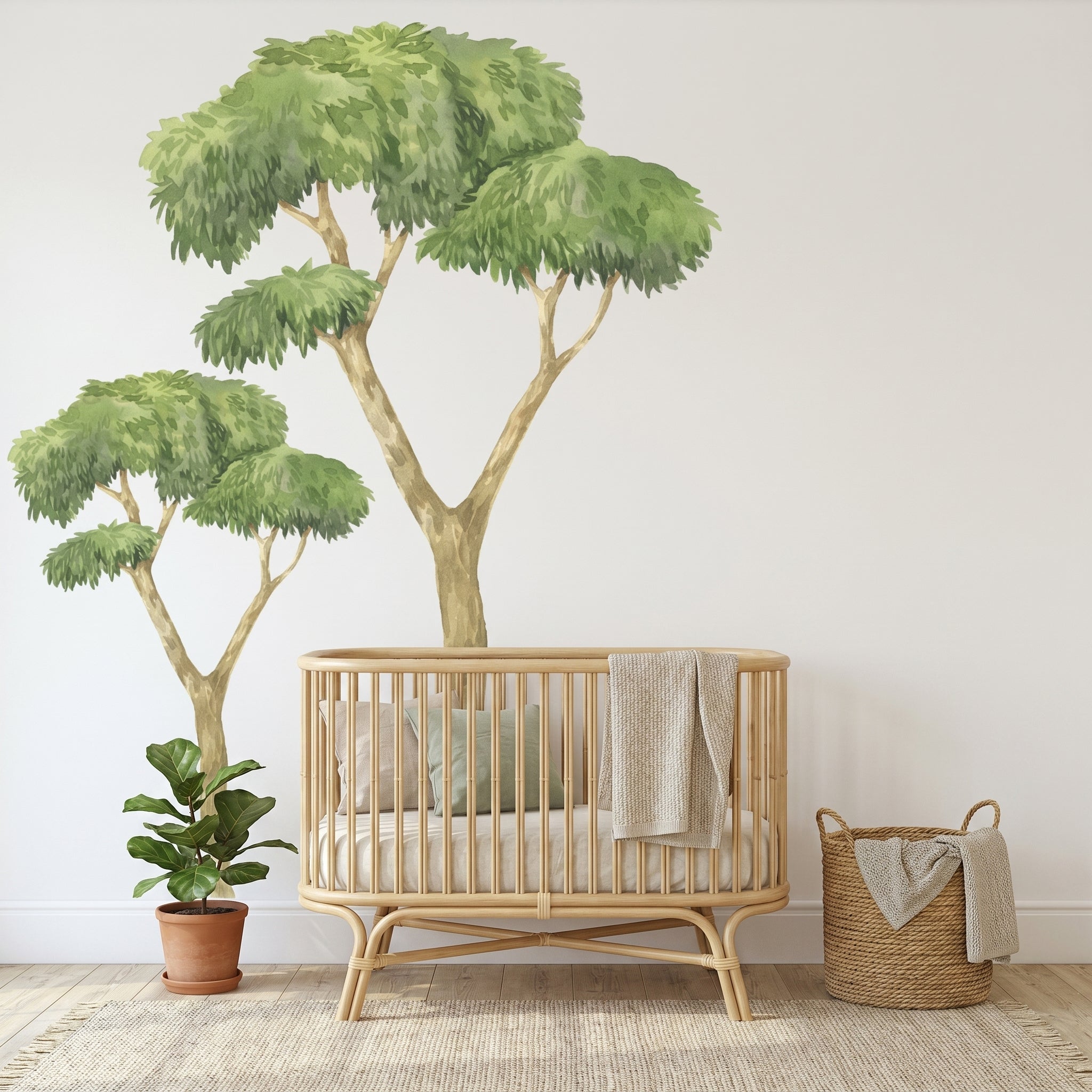
If you've been shopping for something to brighten up a kids' room, you've probably seen the same thing called two different names — "wall decals" in one shop, "wall stickers" in the next. It's a fair question to ask whether they're actually different, and which one is the right choice for a nursery or a rental.
Here's the short answer, then the detail that actually matters when you're the one sticking it on the wall.
Are wall decals and wall stickers the same thing?
Mostly, yes. "Wall decals" and "wall stickers" are two names for the same idea: a design you peel off a backing sheet and press onto your wall, no paint or paste required. Some people use "decal" for larger, more detailed artwork and "sticker" for smaller, simpler shapes, but there's no official rule. You'll see both terms used for the same product all over Australia.
So if you're comparing a "wall sticker" from one brand with a wall decal from another, don't get hung up on the word. What actually changes the result on your wall is the material underneath.
The difference that really matters: fabric vs vinyl
This is the part most product listings won't tell you.
The cheapest wall stickers are made from thin vinyl. They're inexpensive for a reason — the plastic is shiny, it can crease and tear while you're applying it, and the adhesive is often stronger than you'd want on a painted wall. That combination is where the horror stories come from: stickers that pull at paint on the way down, or leave a sticky mark behind.
The better option is a fabric-based decal. Ours are printed on a premium fabric-feel material rather than plastic. The practical differences you'll actually notice:
- It looks hand-illustrated, not plasticky. A soft matte finish reads like real artwork on the wall, not a shiny sticker.
- It's forgiving to put up. Fabric flexes instead of creasing, so you can lift and reposition it as you go until the placement feels right.
- It's designed to come off cleanly. A gentle, non-permanent adhesive means that on most smooth, well-painted walls it lifts away without residue.
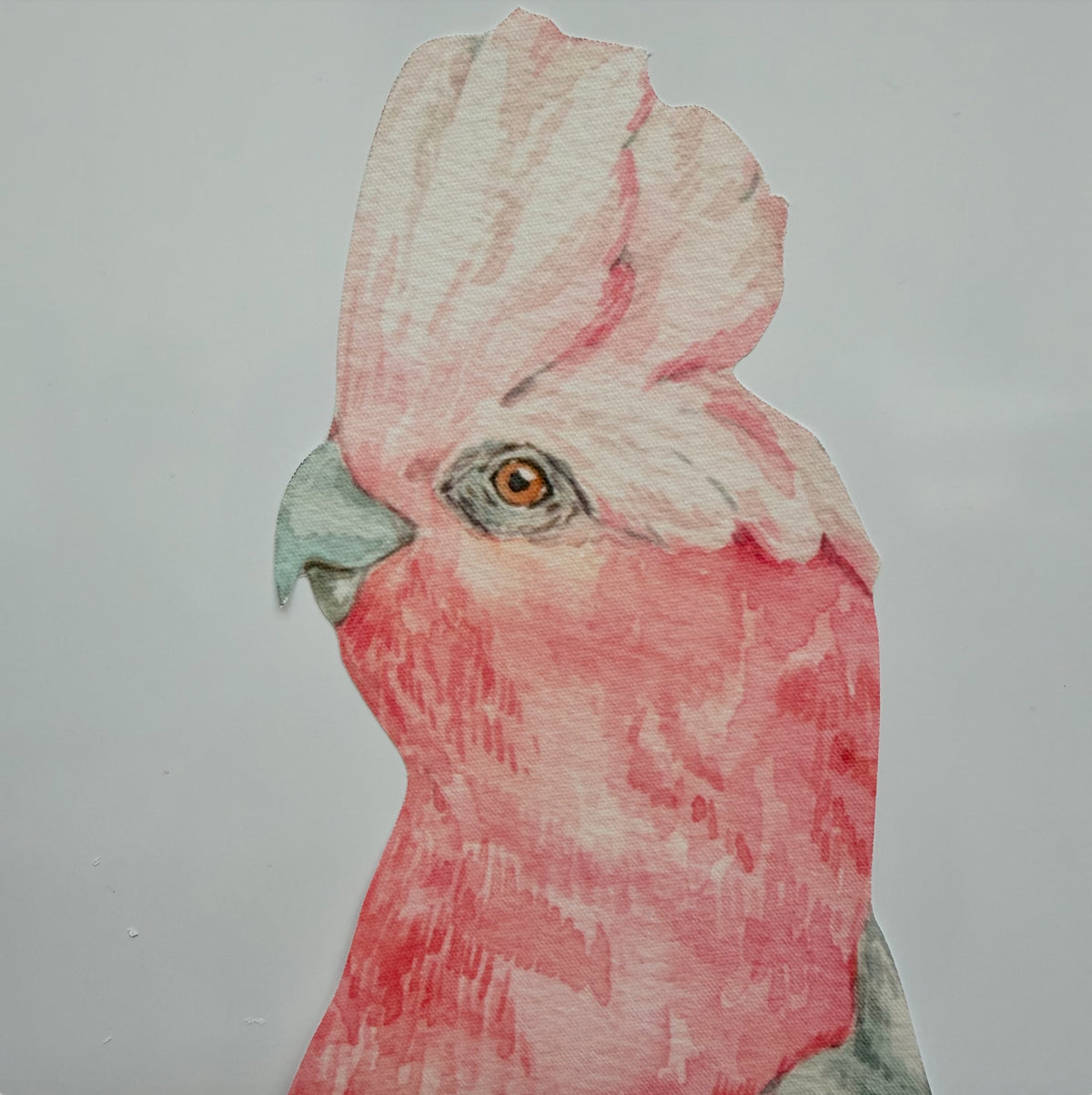
So the honest comparison isn't really "decal vs sticker" — it's "cheap vinyl vs quality fabric." That's the choice that decides how it looks and how it comes down later.
Are removable wall decals safe for rentals?
This is the number one question we get, and it's a good one. If you're renting, you've got two worries: the walls, and the bond.
Genuine removable decals, applied to properly cured paint on a smooth wall, are made to lift away cleanly when it's time to move or redecorate. The key word is genuine — this is exactly where cheap vinyl stickers tend to disappoint, because the material was never designed for a clean release.
If you're not sure how your particular walls will respond, do what we tell every customer to do: stick a small offcut in an out-of-the-way corner, leave it 48 hours, then peel it back and check. When you're ready to take a full design down, our removal guide walks you through the gentlest method for your surface.
Choosing wall decals for a nursery
For a nursery, two things usually matter most: how it looks, and how easily it comes back off. A quality fabric decal has a soft, matte, hand-illustrated finish that suits a baby's room far better than a shiny plastic sticker — and because ours lift and reposition cleanly on most smooth painted walls, you can restyle the room as your little one grows, or take it with you if you're renting. Everything is designed and printed here in Melbourne. You can read more about how we make them on our story page.
How to choose wall decals for a kids' room
A few things worth thinking about before you buy:
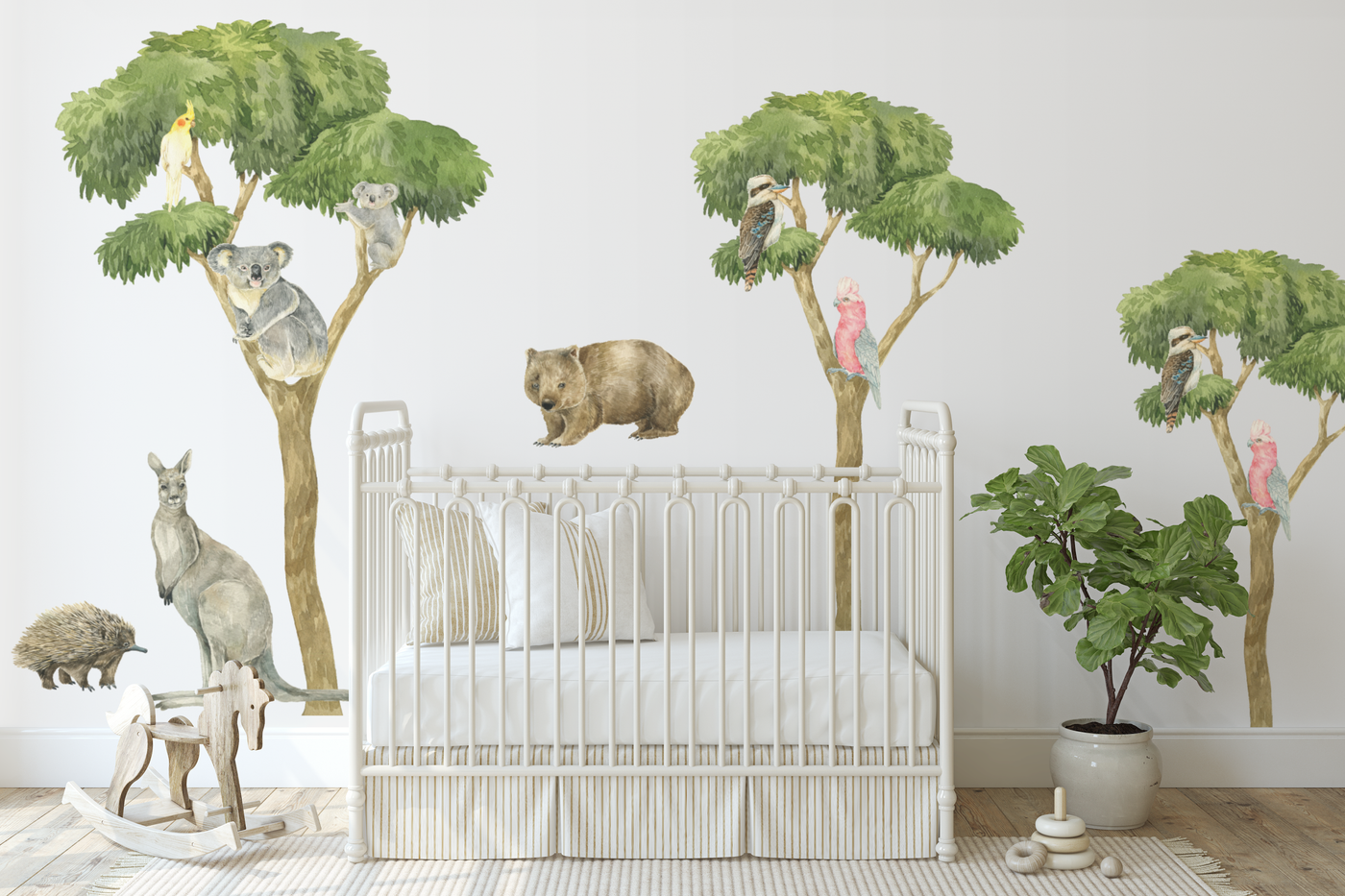
- Match the theme, not just the colour. Whether it's nursery animals, a botanical feel, or a playroom full of adventure, pick a set that ties the whole room together rather than one lonely shape.
- Check the material before the price. If a listing doesn't say what it's made from, it's usually thin vinyl — fabric looks and removes far better.
- Look at real customer photos. Styled studio shots are lovely, but photos from actual homes tell you how it really looks on a wall.
- Order a sample if you're unsure. Seeing the exact colour and finish in your own light beats guessing from a screen.
How to put up wall decals (it's easier than you'd think)
With fabric decals there's no water and no glue. Wipe the wall clean and dry, peel the design off its backing, press it gently into place, and smooth from the centre outward. If the position isn't quite right, lift it and try again — the fabric lets you adjust before you commit. Most rooms are finished in well under an afternoon, and larger sets are easiest with a second pair of hands. Full steps are in our installation guide.
Wall decals vs wall stickers: the bottom line
The name doesn't matter — the material does. If you want something that looks like real art, goes up without a fight, and comes down cleanly when you're done, choose a quality fabric decal over cheap vinyl. That's the whole difference in one sentence.
Every Tiny Walls design is hand-illustrated, printed on premium fabric in Melbourne, and shipped right across Australia. Have a browse and find one for your little one's room.
Frequently asked questions
Is a wall decal the same as a wall sticker?
Yes — they're two names for the same kind of peel-and-stick wall art. What actually differs between products is the material: cheap versions use thin vinyl, while better ones use fabric that looks hand-illustrated and removes cleanly.
Do wall decals damage paint?
Quality fabric decals use a non-permanent adhesive designed to be removed, and on most smooth, well-painted walls they lift away cleanly with no residue. Cheap vinyl stickers are more likely to cause trouble. Always test a small piece first if you're unsure of your surface, and follow the removal guide.
Are wall decals good for renters in Australia?
They're one of the most popular ways to personalise a rental, because a genuine removable decal comes away cleanly at the end of a lease. Ours are designed and made in Melbourne and shipped Australia-wide.
Can you reuse wall decals?
You can lift and reposition them during application to get the placement right. For long-term durability we treat final placement as semi-permanent — check the care guide before moving a design between rooms.


